

Let's Talk About Eating Disorders & Athletes
Eating Recovery Academy Podcast
Release Date: 12/01/2023
 Eating Disorders and Social Media
Eating Recovery Academy Podcast
Show Notes What role is Social Media playing a role in causing eating disorders or disordered eating? Are the effects of Social Media making treatment of eating disorders more challenging? In this podcast episode, Kate Fisch speaks with Dr. Samantha DeCaro about Social Media. She discusses the effects that Social Media has on patients recovering from eating disorders and the role it plays in causing disordered eating. MEET DR. SAMANTHA DECARO Dr. Samantha DeCaro, PsyD is the Director of Clinical Outreach and Education for The Renfrew Center, a licensed psychologist in...
info_outline Eating Disorders and Bariatric Surgery
Eating Recovery Academy Podcast
Show Notes What is Bariatric Surgery? What is Bariatric Counseling? Is there a link between Bariatric Surgery and eating disorders? In this podcast episode, Kate Fisch speaks with Sharon Ryan about Bariatric Surgery. She discusses the challenges that patients face when preparing for, or after undergoing, Bariatric Surgery. MEET SHARON RYAN Sharon Lynn Ryan, MEd, AABC, LAC, is a licensed associate counselor, therapist, speaker, and writer. Sharon earned her masters degree in professional counseling (MEd) from William Paterson University, board certification as a...
info_outline Let's Talk About Eating Disorders & Athletes
Eating Recovery Academy Podcast
Show Notes What is the approach to treating eating disorders in athletes? Are the pressures of having to perform as an athlete increasing the chances of developing an eating disorder? In this podcast episode, Kate Fisch speaks with Linda Steinhardt about eating disorders amongst athletes. She discusses the effects that measuring body composition, the pressure to perform and injuries have on athletes and developing eating disorders. MEET LINDA STEINHARDT Linda Steinhardt is a registered dietitian based in Denver, Colorado. After graduating from the University of Texas at Austin, she...
info_outline Let's Talk About Eating Disorders and Virtual Care
Eating Recovery Academy Podcast
Show Notes What is virtual care and how can it be used in treating patients with eating disorders? What are the limitations or advantages of using virtual care in treating eating disorder patients? In this podcast episode, Kate Fisch speaks with Dr. Erin Knopf about virtual care for Eating Disorders. She discusses the benefits and challenges around virtual care and the role it plays in assisting our clients and developing more effective treatments. MEET DR. ERIN KNOPF Dr. Knopf is dedicated to treating patients with eating disorders holistically. As a triple-boarded physician...
info_outline Let's Talk About Interoceptive Exposure
Eating Recovery Academy Podcast
What is interoceptive awareness and can it play a role in the development of eating disorders? What is interoceptive exposure and how can it be used in the treatment of eating disorders? In this podcast episode, Kate Fisch speaks with Dr. Melanie Smith about interoceptive exposure and awareness. She discusses how interoceptive exposure can help assist our clients and develop more effective treatments. MEET DR. MELANIE SMITH Melanie Smith, PhD, LMHC, CEDS-S, is the Director of Training for The Renfrew Center. In this role, she provides ongoing training, supervision and consultation to...
info_outline Season 2 - Official Trailer
Eating Recovery Academy Podcast
Consisting of 5 new episodes, season 2 of the Eating Recovery Academy Podcast is about to drop! Click here to listen to the official From the second week of November 2023 the episodes will become available. The guests are amazing in their fields and we cover some fascinating and insightful topics surrounding eating disorder treatments. Be on the lookout for the first episode - you won't want to miss it! Make sure you're following Eating Recovery Academy on any of the platforms below, and that your notifications are on.
info_outline EP 29 - Let's Talk About Clinical Resources with Lara Effland
Eating Recovery Academy Podcast
What are clinical resources? What clinical resources are available to therapists? How important are clinical resources in assisting with the treatment of eating disorders? In this podcast episode, Kate Fisch speaks with Lara Effland about clinical resources. She discusses the role that clinical resources play in assisting therapists with the treatment of eating disorders. Thanks for listening! I'd love to connect with you over on and SIGN UP FOR MY FREE EMAIL COURSE: SHOW NOTES AND RESOURCES: WEBSITE:
info_outline EP 28 - Let's Talk About Neuroscience with Melinda Karth
Eating Recovery Academy Podcast
What does the brain have to do with eating disorders? Does the brain influence eating disorders? Can neuroscience help us treat eating disorders? In this podcast episode, I speak with Melinda Karth about neuroscience and how studying the brain can help lead us to both educate our clients and also be able to pick more effective treatments. Thanks for listening! I'd love to connect with you over on and SIGN UP FOR MY FREE EMAIL COURSE: SHOW NOTES AND RESOURCES: Click here WEBSITE:
info_outline EP 27 - Let's Talk About Music Therapy with Dr. Annie Heiderscheit
Eating Recovery Academy Podcast
What is music therapy? How does music therapy affect the brain? How can therapists incorporate music therapy into eating disorder treatment? In this episode I speak with Dr Annie Hedder Heiderscheit about music therapy as a supplemental intervention for eating disorder treatment and the current research on this form of therapy. Thanks for listening! I'd love to connect with you over on and SIGN UP FOR MY FREE EMAIL COURSE: SHOW NOTES AND RESOURCES: WEBSITE:
info_outline Ep 26 - Psychedelics and Eating Disorders: Research on New Treatment Forms with Dr. Natalie Gukasyan
Eating Recovery Academy Podcast
Can psychedelics be used to help treat eating disorders? How do psychedelics interact with the mind and body? How can psychedelics, when used correctly, help a person to make significant changes in their lives? In this podcast episode, I speak with Dr. Natalie Gukasyan about psychedelics, eating disorders, and the current research on new forms of treatment. We discuss what psychedelics are and how they can be used, in the appropriate settings, to change behavioral patterns. Thanks for listening! I'd love to connect with you over on and SIGN UP FOR MY FREE EMAIL COURSE: SHOW NOTES AND...
info_outlineShow Notes
What is the approach to treating eating disorders in athletes? Are the pressures of having to perform as an athlete increasing the chances of developing an eating disorder?
In this podcast episode, Kate Fisch speaks with Linda Steinhardt about eating disorders amongst athletes. She discusses the effects that measuring body composition, the pressure to perform and injuries have on athletes and developing eating disorders.
MEET LINDA STEINHARDT
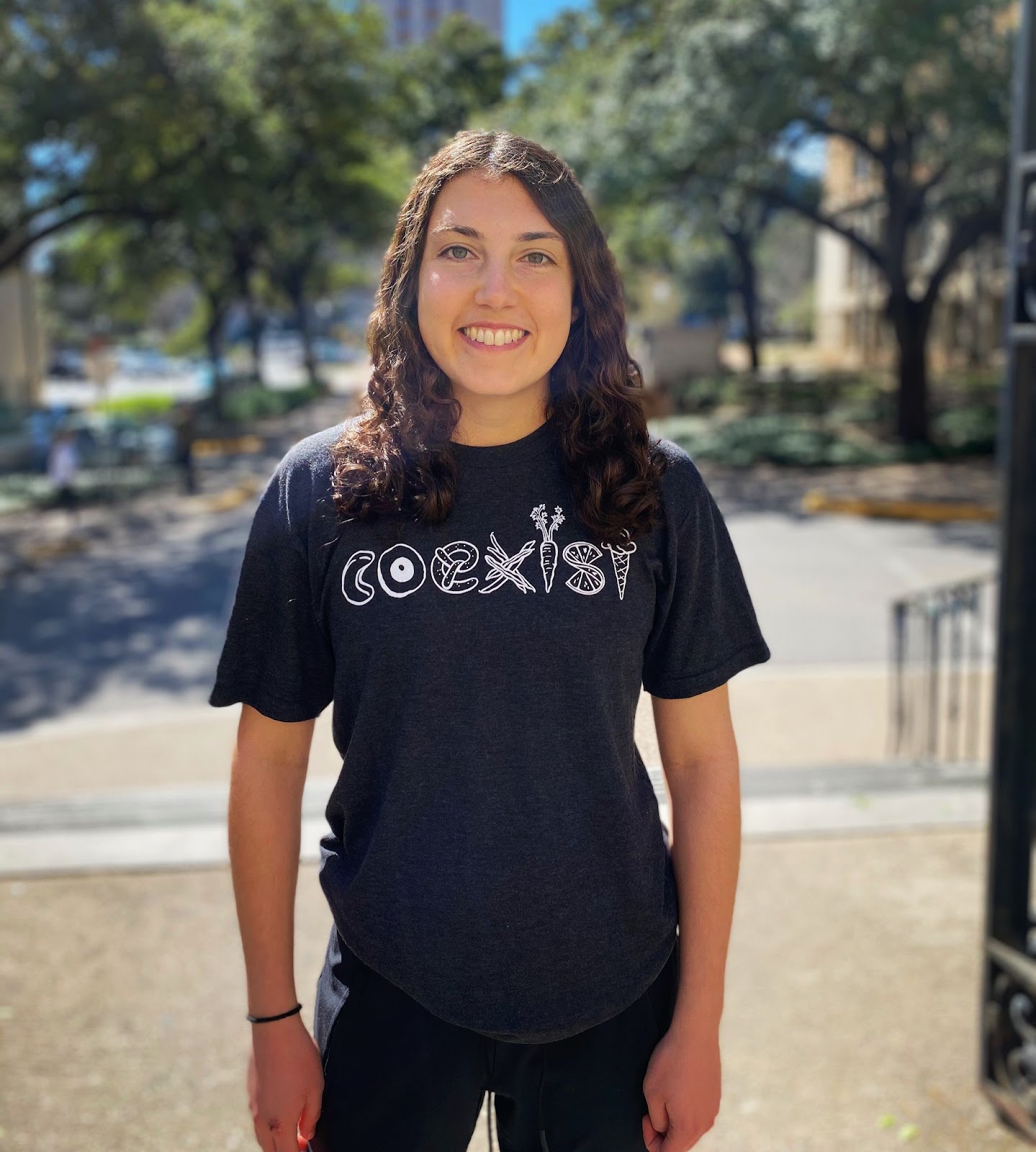
Linda Steinhardt is a registered dietitian based in Denver, Colorado. After graduating from the University of Texas at Austin, she completed a sports nutrition fellowship at UNC Chapel Hill. She now works at the Athlete EDGE Program within EDCare, an eating disorder treatment center where she supports athletes and general population patients in lasting recovery from eating disorders.
Visit Athlete Edge to find out more.
IN THIS PODCAST
-
What is body composition testing?
-
Is there still a necessity for measuring body composition in athletes?.
-
What is the approach for treating eating disorders in athletes?
-
Is there pressure for athletes to perfect their performance at a younger age?
What is body composition testing?
“Body composition testing is really common, to be honest, in college athletics. I have seen, with body composition testing in colleges, they'll test an athlete 2 to 4 times per year and they'll say: hey here's your muscle percentage, here's your fat percentage.”
Linda Steinhardt
So what is the benefit of athletes knowing their body fat percentage etc. ?
“I'm not sure I'm going to be able to help connect the dots. I think there's a lot of reasons why sports physicians in college settings are pressured, in a sense, to do body composition tests.”
Linda Steinhardt
It is interesting to think that there might be a belief that knowing your fat percentage (for example) and all of that could help with the goal of improving athletic performance.
Are we moving away (at all) from this type of measuring?
“I had seen some more openness and some more curiosity in the field just of why do we do this and is this affecting athletes and is this actually helpful for performance. Are we just doing it because we think we're (quote,unquote) supposed to? And I think that has been a good shift.”
Linda Steinhardt
How is the approach to treating an eating disorder in an athlete different to treating someone with an eating disorder who is not an athlete?
“So, I think there is a lot of overlap and I think there's some additional kind of barriers that athletes might face that put them at a higher risk of potentially developing an eating disorder. Often times we look at things like athletes are in really high pressure environments.”
Linda Steinhardt
How do you manage the conversation around calories?
“I find, more often than not, food and exercise have become kind of compensatory, even perhaps without athletes recognizing it as such. I think it's helpful to acknowledge that: hey what are the ways in which you notice yourself eating the same or different on rest days? Do you feel better about eating when you play well, or do you find it harder to eat when you have a bad game?”
Linda Steinhardt
When our diet and exercise culture has done us such an immense disservice that it's going to take decades to undo, which is simplifying humans' need for fuel.
Do a lot of athletes seem to lose the ability to listen to their bodies?
“That's a conversation we have often. A lot of times people come in and they are really disconnected from their bodies in terms of they don't know, because the way they have been eating is from rules. Over time we can build that kind of intuition and that interoceptive awareness.”
Linda Steinhardt
Is there pressure for athletes to perfect their performance at a younger age?
“I think that oftentimes a really big component of things is identity. In athletics often people start from a really young age and they have practices day in and day out. I think it does kind of create a really tough situation for a lot of athletes.”
Linda Steinhardt
The world of performance and body composition is highly pressurized and many athletes will feel they have to lose a certain amount of weight in order to achieve the performance they are aiming for.
It is important for therapists, dealing with athletes, to dig deeper into understanding why an individual believes they need to be at a certain weight to perform. And then begin to reconnect themselves with their bodies and listen to what their bodies actually need.
This is a fascinating topic and as therapists we need to become aware of what affects competitive environments have on athletes, as well as, help teach our clients to be mindful about what they're doing to their bodies.
Linda Steinhardt is filled with valuable insights, information and examples throughout the podcast and it is extremely informative for all therapists.
To learn more about Linda Steinhardt and her work, follow the links below.
RESOURCES MENTIONED AND USEFUL LINKS
Visit Athletic Edge
Click here for the article referenced in the interview with more info on her research.
Article referenced in the interview with more info on her research:
Rate, review, and subscribe to this podcast on Apple Podcasts, Stitcher, Google Podcasts, TuneIn, and Spotify.