

 Eating Disorders and Social Media
Eating Recovery Academy Podcast
Show Notes What role is Social Media playing a role in causing eating disorders or disordered eating? Are the effects of Social Media making treatment of eating disorders more challenging? In this podcast episode, Kate Fisch speaks with Dr. Samantha DeCaro about Social Media. She discusses the effects that Social Media has on patients recovering from eating disorders and the role it plays in causing disordered eating. MEET DR. SAMANTHA DECARO Dr. Samantha DeCaro, PsyD is the Director of Clinical Outreach and Education for The Renfrew Center, a licensed psychologist in...
info_outline Eating Disorders and Bariatric Surgery
Eating Recovery Academy Podcast
Show Notes What is Bariatric Surgery? What is Bariatric Counseling? Is there a link between Bariatric Surgery and eating disorders? In this podcast episode, Kate Fisch speaks with Sharon Ryan about Bariatric Surgery. She discusses the challenges that patients face when preparing for, or after undergoing, Bariatric Surgery. MEET SHARON RYAN Sharon Lynn Ryan, MEd, AABC, LAC, is a licensed associate counselor, therapist, speaker, and writer. Sharon earned her masters degree in professional counseling (MEd) from William Paterson University, board certification as a...
info_outline Let's Talk About Eating Disorders & Athletes
Eating Recovery Academy Podcast
Show Notes What is the approach to treating eating disorders in athletes? Are the pressures of having to perform as an athlete increasing the chances of developing an eating disorder? In this podcast episode, Kate Fisch speaks with Linda Steinhardt about eating disorders amongst athletes. She discusses the effects that measuring body composition, the pressure to perform and injuries have on athletes and developing eating disorders. MEET LINDA STEINHARDT Linda Steinhardt is a registered dietitian based in Denver, Colorado. After graduating from the University of Texas at Austin, she...
info_outline Let's Talk About Eating Disorders and Virtual Care
Eating Recovery Academy Podcast
Show Notes What is virtual care and how can it be used in treating patients with eating disorders? What are the limitations or advantages of using virtual care in treating eating disorder patients? In this podcast episode, Kate Fisch speaks with Dr. Erin Knopf about virtual care for Eating Disorders. She discusses the benefits and challenges around virtual care and the role it plays in assisting our clients and developing more effective treatments. MEET DR. ERIN KNOPF Dr. Knopf is dedicated to treating patients with eating disorders holistically. As a triple-boarded physician...
info_outline Let's Talk About Interoceptive Exposure
Eating Recovery Academy Podcast
What is interoceptive awareness and can it play a role in the development of eating disorders? What is interoceptive exposure and how can it be used in the treatment of eating disorders? In this podcast episode, Kate Fisch speaks with Dr. Melanie Smith about interoceptive exposure and awareness. She discusses how interoceptive exposure can help assist our clients and develop more effective treatments. MEET DR. MELANIE SMITH Melanie Smith, PhD, LMHC, CEDS-S, is the Director of Training for The Renfrew Center. In this role, she provides ongoing training, supervision and consultation to...
info_outline Season 2 - Official Trailer
Eating Recovery Academy Podcast
Consisting of 5 new episodes, season 2 of the Eating Recovery Academy Podcast is about to drop! Click here to listen to the official From the second week of November 2023 the episodes will become available. The guests are amazing in their fields and we cover some fascinating and insightful topics surrounding eating disorder treatments. Be on the lookout for the first episode - you won't want to miss it! Make sure you're following Eating Recovery Academy on any of the platforms below, and that your notifications are on.
info_outline EP 29 - Let's Talk About Clinical Resources with Lara Effland
Eating Recovery Academy Podcast
What are clinical resources? What clinical resources are available to therapists? How important are clinical resources in assisting with the treatment of eating disorders? In this podcast episode, Kate Fisch speaks with Lara Effland about clinical resources. She discusses the role that clinical resources play in assisting therapists with the treatment of eating disorders. Thanks for listening! I'd love to connect with you over on and SIGN UP FOR MY FREE EMAIL COURSE: SHOW NOTES AND RESOURCES: WEBSITE:
info_outline EP 28 - Let's Talk About Neuroscience with Melinda Karth
Eating Recovery Academy Podcast
What does the brain have to do with eating disorders? Does the brain influence eating disorders? Can neuroscience help us treat eating disorders? In this podcast episode, I speak with Melinda Karth about neuroscience and how studying the brain can help lead us to both educate our clients and also be able to pick more effective treatments. Thanks for listening! I'd love to connect with you over on and SIGN UP FOR MY FREE EMAIL COURSE: SHOW NOTES AND RESOURCES: Click here WEBSITE:
info_outline EP 27 - Let's Talk About Music Therapy with Dr. Annie Heiderscheit
Eating Recovery Academy Podcast
What is music therapy? How does music therapy affect the brain? How can therapists incorporate music therapy into eating disorder treatment? In this episode I speak with Dr Annie Hedder Heiderscheit about music therapy as a supplemental intervention for eating disorder treatment and the current research on this form of therapy. Thanks for listening! I'd love to connect with you over on and SIGN UP FOR MY FREE EMAIL COURSE: SHOW NOTES AND RESOURCES: WEBSITE:
info_outline Ep 26 - Psychedelics and Eating Disorders: Research on New Treatment Forms with Dr. Natalie Gukasyan
Eating Recovery Academy Podcast
Can psychedelics be used to help treat eating disorders? How do psychedelics interact with the mind and body? How can psychedelics, when used correctly, help a person to make significant changes in their lives? In this podcast episode, I speak with Dr. Natalie Gukasyan about psychedelics, eating disorders, and the current research on new forms of treatment. We discuss what psychedelics are and how they can be used, in the appropriate settings, to change behavioral patterns. Thanks for listening! I'd love to connect with you over on and SIGN UP FOR MY FREE EMAIL COURSE: SHOW NOTES AND...
info_outlineShow Notes
What is Bariatric Surgery? What is Bariatric Counseling?
Is there a link between Bariatric Surgery and eating disorders?
In this podcast episode, Kate Fisch speaks with Sharon Ryan about Bariatric Surgery. She discusses the challenges that patients face when preparing for, or after undergoing, Bariatric Surgery.
MEET SHARON RYAN
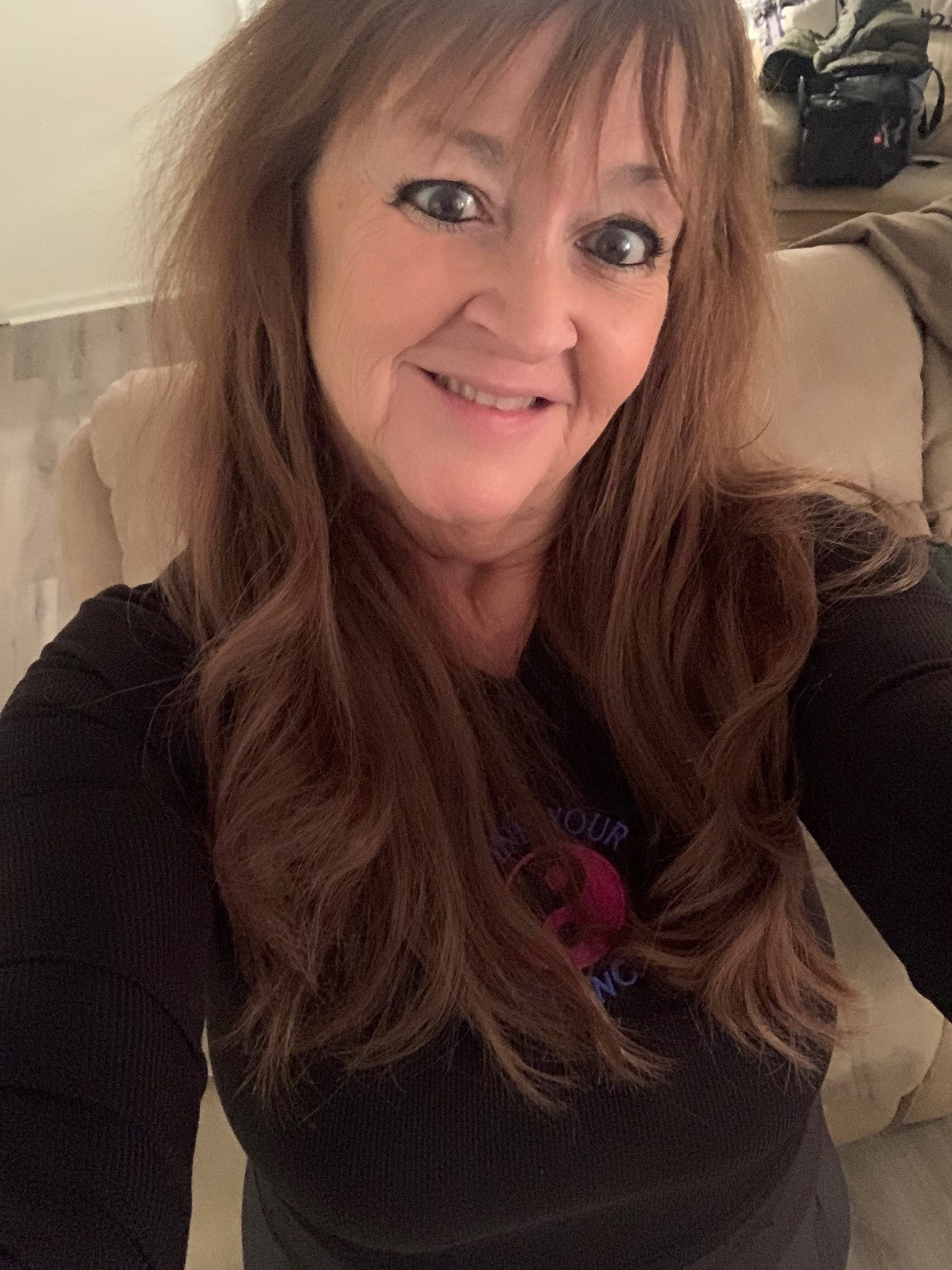
Sharon Lynn Ryan, MEd, AABC, LAC, is a licensed associate counselor, therapist, speaker, and writer. Sharon earned her masters degree in professional counseling (MEd) from William Paterson University, board certification as a bariatric counselor/educator from the American Association of Bariatric Counselors, certificates in personal training and nutrition from the National Personal Training Institute, and is clinically trained in EMDR, DBT, and CBT.
Sharon specializes in eating and weight disorders, bariatrics, health and wellness, and is a firm believer in Health At Every Size (HAES) intuitive eating, and body positivity.
Visit Sharon Lyn Ryan to find out more.
IN THIS PODCAST
-
What is a Bariatric Counsellor?
-
What are the common feelings for patients, post bariatric surgery?.
-
Is there a link between bariatric surgery and eating disorders?
-
Post Surgical Eating Avoidance Disorder.
What does it mean to be a board certified Bariatric Counselor?
“There's an association called the American Association of Bariatric Counselors. You get board certified as a counselor so that you can work specifically with Bariatric patients. They require all the CEUs that you would get as a counselor or a therapist every two years you're reassessed and do your CEUs but it gives you specific training to work with people who are struggling with weight and maybe attempting to have bariatric surgery ”
Sharon Ryan
When we speak about patients who have undergone bariatric surgery, it is easy to assume that all the patients are happy with their results. This is not always the case and there are individuals who are frustrated that they don't look the way that they want to look or that it didn't go as promised.
“The American Association of Bariatric Counselors also covers the complications that come along with it and the problems that may come before and after, and how to address them so they cover not only the nutrition part of it, but the psychological part of it. Which is something that's really been overlooked, I feel like. in the field.”
Sharon Ryan
Why should patients go for counseling before having bariatric surgery?
“I think there needs to be actual counseling and therapy for people prior to the surgery, because the people who are going for Bariatric surgery have, at the very least, disordered eating .”
Sharon Ryan
Is there a possible link between eating disorders and getting bariatric surgery?
“From 2011 to 2019 there were about 2 000 000 bariatric surgeries performed in the United States. A study found out that 66% of them had a lifetime history of some sort of eating disorder and 48% of them at the time of them being approved for surgery had criteria for binge eating disorder.”
Sharon Ryan
It makes us wonder how many of those that are willing to have the surgery actually knew they had an eating disorder.
How do you prepare patients for Bariatric Surgery?
“They need to be educated prior to their surgery. They need to go through therapy prior to their surgery. They need to be with a Dietician prior to their surgery. Not just once. And figure out why they're eating the way they're eating, why they're at that weight.”
Sharon Ryan
It becomes important, when encountered with a client considering this surgery, to take the time to understand why they are considering the surgery, why they feel they need the surgery and build that relationship with the client.
“ The first rule to me of being a therapist is to be non-judgmental. So, if someone walked in and said I'm thinking of Bariatric surgery, you're not supposed to put your opinion into them right? You're just supposed to help them figure out why they are where they are, what they're hoping to get from that.”
Sharon Ryan
What is the most common feedback to come from patients, post Bariatric Surgery?
It is not always that people are either satisfied with their surgery or feel as if they can sustain it for the long term. Many of them end up gaining that weight back.
“That's another reason why I'm so adamant because you need to have counseling before you have the surgery. Just because you have the surgery, it doesn't mean your behaviors are going to change.”
Sharon Ryan
Tell us a little bit about the different types of surgery?
“So there is the band like you said, That's not done as much anymore. The most popular one is the gastric sleeve right now which is where they take out part of your stomach and they don't do any bypassing. Then the other one is the gastric bypass and that's the one where they actually remove part of the stomach and then bypass it to go through the intestine.”
Sharon Ryan
What is Post Surgical Eating Avoidance Disorder?
“That’s those who have the surgery and something happens where like let's say they are vomiting every time they eat and then they actually get afraid to eat.”
Sharon Ryan
It would appear that some patients who undergo the surgery end up developing issues such as Avoidant Restrictive Food Intake Disorder, more commonly known as ARFID.
"It's like Anorexia, you know like the ARFID thing but they get extreme weight loss and those people are even more susceptible, because what are they going to do? They can't binge. They can't do anything. These people are really susceptible to turning to substances, because they are depressed. . .”
Sharon Ryan
There has been a shift in diagnosing which has happened over the past decade or so. Traditionally/ historically when we think about anorexia we would think about people, like the dsm 4, below 85% ideal body weight, so very low body weight, where we know in actuality that only 6% of people with eating disorders are actually underweight.
What we now are able to watch out for, and luckily third party payers are catching on, is people who have lost a substantial amount of weight in a very short amount of time, whether they're still within range of “healthy weight” or not, it is still incredibly dangerous to lose weight so fast.
So, as therapists we need to ensure we are aware of all the challenges facing clients and be able to provide any support or safeguards that can help our clients make decisions that give them the best chance of recovering.
Bariatric Surgery and eating disorders may not be discussed together very often, but it has been fascinating to chat with Sharon Ryan about the relationship between the two. Sharon shares valuable insights, information and examples throughout the podcast.
To learn more about Sharon’s work, follow the links below.
RESOURCES MENTIONED AND USEFUL LINKS
Visit Sharon Lynn Ryan for more on some of Sharon’s publications so far.
Previous Episode: Let's Talk About Eating Disorders & Athletes
Rate, review, and subscribe to this podcast on Apple Podcasts, Stitcher, Google Podcasts, TuneIn, and Spotify.