

Show 1457: How to Strengthen Your Immune System for Cold and Flu Season
Release Date: 01/10/2026
 Show 1428: The Hidden Power of the Unconscious Brain (Archive)
The People's Pharmacy Podcast
In this episode, a renowned neurosurgeon shares what he has learned in decades of working to restore ailing brains. His new book covers a vast range of neuroscience. Our dilemma was what to pay attention to in all those options. In a sense, that is always the human situation. We are capable of conscious processing of approximately 200 bits per second (bps) of information. Our unconscious brain deals with as much as 11 million bps. At The People’s Pharmacy, we strive to bring you up to date, rigorously researched insights and conversations about health, medicine, wellness and...
info_outline Show 1472: Beyond Lyme: Stealth Infections from Flea and Tick Bites
The People's Pharmacy Podcast
Tick season is well underway in many parts of the country. It seems that a mild winter and a warm spring have brought the nymphs out seeking blood. If that blood is yours, you may be exposed to a range of pathogens. What’s more, ticks are not the only creatures ready to bite you. Fleas are an even bigger problem when it comes to transmitting bacteria called Bartonella. That genus is responsible for cat scratch disease and trench fever. When the infection goes chronic, it’s called bartonellosis. What are the dangers of flea and tick bites? At The People’s Pharmacy, we...
info_outline Show 1471: Broken Bills: Why Americans Pay Twice as Much for Less Care
The People's Pharmacy Podcast
Americans often boast of having the best health care in the world. It is certainly the most expensive health care. We pay twice as much as people in many other industrialized nations. Are we getting our money’s worth? Some population statistics, such as life expectancy, suggest we could be doing much better. How can we make sense of the complexity of American health care? At The People’s Pharmacy, we strive to bring you up to date, rigorously researched insights and conversations about health, medicine, wellness and health policies and health systems. While these conversations intend to...
info_outline Show 1470: Why Your Doctor Should Prescribe Exercise to Treat Depression, Cancer & Aging
The People's Pharmacy Podcast
If you had to name one thing that could contribute to better health throughout the lifespan, what would it be? We think exercise, or at least physical activity deserves the top spot. Yet in 2025, fewer than half of adults met the guidelines for aerobic physical activity. And less than one-quarter were doing both aerobic and muscle-strengthening exercises on a regular basis. Perhaps your doctor should prescribe exercise. What could we expect as the benefits? At The People’s Pharmacy, we strive to bring you up to date, rigorously researched insights and conversations about health,...
info_outline Show 1469: Fresh Air & Sunlight: How Some Hospitals Are Rediscovering This Healing Secret
The People's Pharmacy Podcast
Hospitals can be pretty overwhelming. Sometimes you may feel like you need a map to find your way around the maze, not to mention a trusty guide to get you to the department or health professional that could actually help you overcome illness. In addition, being hospitalized often means being deprived of fresh air & sunlight. Could that be a mistake for proper healing? At The People’s Pharmacy, we strive to bring you up to date, rigorously researched insights and conversations about health, medicine, wellness and health policies and health systems. While these conversations...
info_outline Show 1468: Healing Joints and Nerves: The New Science of Regenerative Therapies
The People's Pharmacy Podcast
Millions of Americans are in pain. Arthritic joints make exercise difficult, even though moving is one of the best things we can do for joint pain. Pinched nerves can cause excruciating, long-lasting pain. The usual treatments, such as NSAIDs, may help ease the pain momentarily, but do nothing to help heal the underlying condition. What do you know about the new science of regenerative therapies? At The People’s Pharmacy, we strive to bring you up‑to‑date, rigorously researched insights and conversations about health, medicine, wellness and health policies and health systems....
info_outline Show 1429: How to Love Your Liver and Protect its Superpowers (Archive)
The People's Pharmacy Podcast
This week, Joe and Terry discuss liver health with two specialists. You may not have spent much time thinking about your liver. It is, however, an absolutely essential organ. When the liver is working properly, every part of the body gets the nutrients it needs and no parts are exposed to damaging toxins. These are among its superpowers. Find out why you should love your liver. At The People’s Pharmacy, we strive to bring you up to date, rigorously researched insights and conversations about health, medicine, wellness and health policies and health systems. While these...
info_outline Show 1467: Can You Disagree Without Fighting? Building Bridges, Not Battles!
The People's Pharmacy Podcast
A chance encounter with a stranger on an airplane offers lessons for all of us in how to disagree without fighting. Infectious disease expert Morgan Goheen, MD, was wary when the person in the seat next to hers struck up a conversation with questions about the origins of Lyme disease and the value of being vaccinated against COVID. His views were quite different from hers. Yet they managed, in the course of the flight, to exchange perspectives in a respectful manner. Can we all learn how to do that? At The People’s Pharmacy, we strive to bring you up to date, rigorously...
info_outline Show 1466: Could Hidden Infections Be Driving Chronic Disease?
The People's Pharmacy Podcast
Chronic diseases make up the bulk of the problems that modern health care must address. Each condition seems to have its own drivers–cholesterol for heart disease, airway hyperreactivity for asthma, neurotransmitter imbalance for depression and other psychiatric disorders, a buildup of amyloid beta in the brain for Alzheimer disease. What if all these conditions had similar origins? Today we’ll consider the evidence suggesting that hidden infections may be driving many chronic diseases. At The People’s Pharmacy, we strive to bring you up to date, rigorously researched...
info_outline Show 1465: Food Fight! Should We Flip the Food Pyramid Upside-Down?
The People's Pharmacy Podcast
Every five years, the Departments of Agriculture and of Health and Human Services jointly issue guidelines on what we should eat. The most recent Dietary Guidelines for Americans (2025-2030) have been controversial. [Here is a link: https://www.dietaryguidelines.gov] Among other things, the administration decided to flip the food pyramid upside-down in illustrating its recommendations. Why did that cause such a stir, and what will it mean for you? At The People’s Pharmacy, we strive to bring you up to date, rigorously researched insights and conversations about health, medicine,...
info_outlineInfluenza usually starts in November, and cases increase throughout the winter, not fading until March or so. This year’s flu season is especially severe. An awful lot of people are suffering with fever, cough, congestion, body aches, headaches and other symptoms of influenza. Of course, flu is not the only infection out there. Other viruses are also causing sniffles, coughs and pure misery. Is there any way to strengthen your immune system to be ready for cold and flu season?
At The People’s Pharmacy, we strive to bring you up to date, rigorously researched insights and conversations about health, medicine, wellness and health policies and health systems. While these conversations intend to offer insight and perspective, the content is provided solely for informational and educational purposes. Please consult your healthcare provider before making any changes to your medical care or treatment.
How to Strengthen Your Immune System:
If you want to strengthen your immune system so it can fight off infections, the first rule is don’t get in its way! In today’s world, that is easier said than done. Drugstores are full of cold and flu remedies, and nearly all of those contain an ingredient designed to lower fevers. That is generally counterproductive. Fevers help the body in its battle against infection. In fact, you might want to induce a fever responsibly.
Using Heat to Fight Flu:
Numerous cultures have noted that people recover from respiratory infections like influenza more quickly if they are exposed to heat. They have developed myriad ways to accomplish this task. One that is accessible to most North Americans is hydrotherapy: application of heated, wet towels to the body for 20 minutes or so, followed by a brief exposure to cold such as a chilled-mitt rubdown. Take care not to burn the skin. Our guest, Dr. Roger Seheult, suggests that you can learn more about this approach from Bruce Thompson, an Australian physiotherapist whose website is https://www.traditionalhydrotherapy.com
If hot wet towels do not appeal, getting into a sauna or even a hot tub for a short session might help. Pay attention to any contraindications, though. Above all, don’t take medicines such as aspirin, ibuprofen, naproxen or acetaminophen. When they lower your fever, they are also reducing the effectiveness of interferon, which is one of the innate immune system’s first lines of defense against viral infection. The widespread use of aspirin during the 1918 flu may have contributed to the horrifying death toll.
Other Drugs That May Cause Trouble:
Fever is not the only consideration. Many people now take powerful medicines to suppress their immune systems. These treatments alleviate the symptoms of autoimmune conditions such as Crohn’s disease, ulcerative colitis, psoriasis, rheumatoid arthritis and eczema. Helpful as they are, though, they work in part by undermining the immune system. People on any of these meds are at higher risk for infection, and that is not good news during a bad flu season like this one. This might be a situation that calls for wearing an effective mask, such as an N95, when going out in public.
Strengthen Your Immune System with NEWSTART:
Paying attention to eight pillars of good health can help you strengthen your immune system. Dr. Seheult has offered a mnemonic he learned from a colleague, Dr. Neil Nedley of the Weimar Institute: NEWSTART. Let’s find out what it stands for.
Nutrition:
Packing your diet with vegetables, fruits, whole grains and minimally processed proteins is smart prevention to strengthen your immune system any time of year. If you come down with the flu, you might want to consider chicken soup loaded with garlic. Garlic might be a good preventive measure also, while hot chicken soup can temporarily ease congestion and other symptoms.
Nutritional supplements may also be worth consideration. Dr. Seheult cited a systematic review in the BMJ Global Health (Jan. 2021). The authors found that vitamin D modestly reduced the risk of acute respiratory infections and shortened the duration of symptoms. So did vitamin C. Zinc supplements, on the other hand, did not prevent infection but they significantly shortened the duration. Zinc is most effective taken as a lozenge that dissolves gradually in the mouth rather than swallowed at once in a tablet. Dr. Seheult also uses N-acetylcysteine (600 mg twice daily) during cold and flu season to help his immune system stay effective. It has been shown to reduce inflammation in lung infections (International Journal of Molecular Sciences, March 15, 2025). He is also a fan of topical eucalyptus, a compound found in Vicks VapoRub and certain other products. You can recognize it from the aroma.
Exercise:
E is for exercise. Regular physical activity is a critical pillar of good health. If you are suffering from an acute infection like flu, though, give your body a break for a bit. Exercising to exhaustion is not a winning strategy when you’re exhausted by flu before you even start.
Water:
Hydration is super important during influenza season. We’ve already described how to use water to raise the body temperature responsibly. That is one way to strengthen your immune system while you are fighting an infection. Drinking enough water when you have a fever is also crucial so that you don’t get dehydrated.
Sunlight:
Morning exposure to sunlight helps keep the immune system in tune. Ideally, we would all have bright days and dark nights. Living indoors with artificial lighting means few of us meet that ideal. Nonetheless, getting sun exposure as possible, even just face and hands in northern areas, can be helpful. Among other things, it helps regulate natural production of melatonin. Mitochondria exposed to sunlight, especially infrared lengths, make their own essential melatonin.
Temperance:
This is not a term we use much any more, though it was once quite popular. It simply means moderation; more explicitly, it urges refraining from alcohol, tobacco and other toxins. We have explored some common toxins in other shows.
Air:
Florence Nightingale insisted on fresh air in hospitals. We should be equally adamant about having fresh air in our homes. Adequate ventilation significantly cuts the risk of infection with flu. We wish everyone paid more attention to this pillar.
Rest:
Getting enough sleep is an essential step to strengthen your immune system. But rest implies more than enough sleep. It also means rest and recharging with a weekly reset. Practicing the sabbath, whether within a religious context or a secular one, is a sound idea for maintaining good mental and physical health.
Trust:
This final piece of the NEWSTART mnemonic refers to social connections. Do you have a person you can trust? Are you a person someone else can trust? Being engaged in a social network that supports you is as important as exercise and nutrition for keeping your immune system healthy.
This Week’s Guest:
Dr. Roger Seheult is an Associate Clinical Professor at the University of California, Riverside School of Medicine, and an Assistant Clinical Professor at the School of Medicine and Allied Health at Loma Linda University.
Dr. Seheult is quadruple board-certified in Internal Medicine, Pulmonary Diseases, Critical Care Medicine, and Sleep Medicine through the American Board of Internal Medicine. HIs current practice is in Beaumont, California where he is a critical care physician, pulmonologist, and sleep physician at Optum California.
He lectures routinely across the country at conferences and for medical, PA, and RT societies, is the director of a sleep lab, and is the Medical Director for the Crafton Hills College Respiratory Care Program.
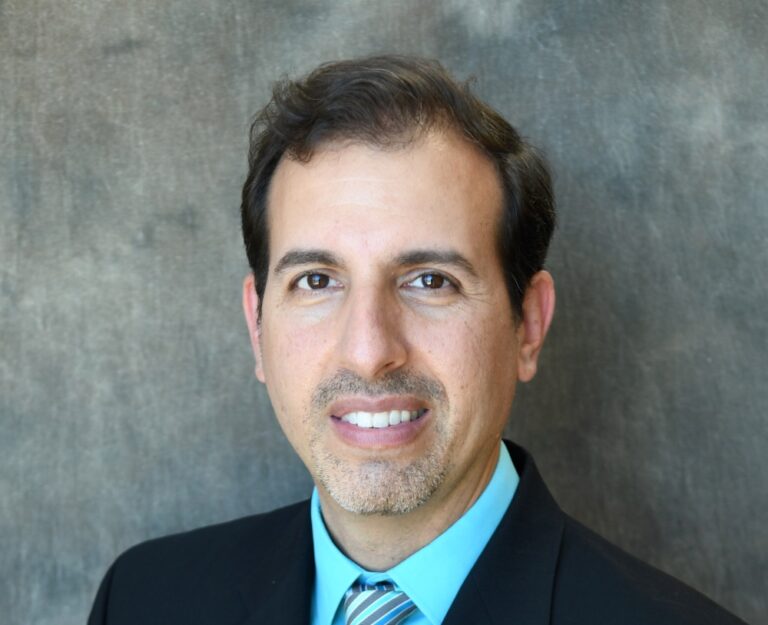
Roger Seheult, MD, MedCram, Loma Linda, UC-Riverside
Listen to the Podcast:
The podcast of this program will be available Monday, Jan. 12, 2026, after broadcast on Jan. 10. You can stream the show from this site and download the podcast for free. In this week’s episode, we discuss the research suggesting that using Astepro, an OTC nasal spray, can reduce the risk of contracting COVID-19. Dr. Seheult also shares his vision of the innate and adaptive immune system working together in harmony like an orchestra.