

Show 1469: Fresh Air & Sunlight: How Some Hospitals Are Rediscovering This Healing Secret
Release Date: 04/18/2026
 Show 1484: Change Your Diet, Heal Your Mind
The People's Pharmacy Podcast
Do you suffer with anxiety, depression, or another mental illness? Millions of people do. The usual treatment is a prescription medication. If that doesn’t work, the healthcare provider may offer a different one. Diet is certainly not the first topic on the provider’s mind. But what if, in addition to appropriate pharmacological treatment, you were able to nourish, protect and energize your brain with your diet? Our guest offers evidence that you can heal your mind with a ketogenic approach to eating. We need to acknowledge that this approach is quite different from the...
info_outline Show 1483: Plant Power: Feed Your Gut and Fight Inflammation
The People's Pharmacy Podcast
When you decide to grab a bite to eat, do you think about how to feed your gut microbes? Most of us don’t. Even if we did, their only means of stating their preferences is somewhat after the fact. Do you end up feeling less than well? Perhaps the denizens of your gut aren’t happy. In this episode, we consider how to support your microbiota and whether that can reduce the inflammation that seems to accompany modern life. At The People’s Pharmacy, we strive to bring you up‑to‑date, rigorously researched insights and conversations about health, medicine, wellness and health...
info_outline Show 1482: Are Your Kidneys in Trouble? Two Tests Could Tell You
The People's Pharmacy Podcast
Our kidneys do an incredible job filtering our blood every hour of every day. Most of us have two kidneys, and each one has about a million microscopic filters called glomeruli. Unlike the filters in our HVAC system, though, these filters cannot be replaced. But they do their work so well and unobtrusively that most of us don’t even think about our kidney function. Although 37 million Americans have kidney trouble, the majority are unaware of their situation. Two tests could reveal how well the kidneys are working. What are they, and how often should you ask about them? At The...
info_outline Show 1481: Flip-Flops, Fungus and Foot Pain: What Are Your Feet Trying to Tell You?
The People's Pharmacy Podcast
Millions of people suffer with foot trouble. Some have heel pain when they first get out of bed. Others complain of flat feet or bunions. Athlete’s foot is very common, though it doesn’t always respond as expected to antifungal medications. Speaking of fungus, toenail fungus can be extremely stubborn. What are your feet trying to tell you about what they need? How can you keep them healthy, especially in the summertime? At The People’s Pharmacy, we strive to bring you up to date, rigorously researched insights and conversations about health, medicine, wellness and health...
info_outline Show 1446: The Science of Strong Bones: Lifestyle, Medication and Movement (Archive)
The People's Pharmacy Podcast
Are you concerned about your bone health? Do you worry about osteoporosis? According to the CDC, more than 10 million Americans have low bone density that makes them more vulnerable to fractures. For many older people, a fracture can be devastating, reducing mobility and possibly even leading to death. What does the latest medical science tell us about how you can maintain strong bones? At The People’s Pharmacy, we strive to bring you up‑to‑date, rigorously researched insights and conversations about health, medicine, wellness and health policies and health systems. While these...
info_outline Show 1480: The Sleep Reset: How to Fall Asleep and Stay Asleep
The People's Pharmacy Podcast
Do you have trouble sleeping? An occasional late night or early morning is probably not dangerous, but too many people get too little sleep on a regular basis. How does that affect their health? Even more importantly, what can they do to change the situation? You’ll want to listen to find out if you need a sleep reset. At The People’s Pharmacy, we strive to bring you up to date, rigorously researched insights and conversations about health, medicine, wellness and health policies and health systems. While these conversations intend to offer insight and perspective, the content...
info_outline Show 1479: Must You Shun the Sun to Save Your Skin?
The People's Pharmacy Podcast
When sunny summer days come around, it makes some dermatologists shudder. They would prefer we behave like bats and hide in caves until nightfall. Failing that, they stress the importance of always applying (and re-applying) high SPF sunscreen, wearing sun-blocking clothing with long sleeves and keeping a big-brimmed hat firmly on the head. A beekeeper’s outfit might be perfect. But must you really shun the sun completely to save your skin? Our guest describes how to practice moderation safely. He also explains why some people are addicted to sunshine, while others are allergic to it....
info_outline Show 1412: Beyond Amyloid: The Science That Could Change the Course of Alzheimer Disease (Archive)
The People's Pharmacy Podcast
This week, we look at the new pharmaceuticals that the FDA has approved for treating Alzheimer disease. Although they are effective at removing amyloid plaques from the brain, they don’t seem to help patients function better. Is it time to turn away from an exclusive focus on amyloid to consider other factors that might affect cognitive decline and change the course of Alzheimer disease? At The People’s Pharmacy, we strive to bring you up to date, rigorously researched insights and conversations about health, medicine, wellness and health policies and health systems. While these...
info_outline Show 1478: The Outdoor Prescription for Fighting Dementia, Depression and Heart Disease
The People's Pharmacy Podcast
Too many of us are spending our days staring at screens. Little screens on our phones, big screens on the television, medium-size screens on our computers at work. Our modern lifestyles mean that we spend the vast majority of our time indoors–93%, on average. What is the time inside doing to our health? Is there an outdoor prescription to reverse dementia and depression? At The People’s Pharmacy, we strive to bring you up to date, rigorously researched insights and conversations about health, medicine, wellness and health policies and health systems. While these conversations...
info_outline Show 1477: Answering Your Questions About Vision Problems
The People's Pharmacy Podcast
Humans have five senses, but for most of us, sight dominates. That’s why vision problems are so distressing. Have you been dealing with difficulties with your eyes? During this broadcast episode, our guest expert is ready to answer your questions about vision problems. At The People’s Pharmacy, we strive to bring you up to date, rigorously researched insights and conversations about health, medicine, wellness and health policies and health systems. While these conversations intend to offer insight and perspective, the content is provided solely for informational and educational purposes....
info_outlineHospitals can be pretty overwhelming. Sometimes you may feel like you need a map to find your way around the maze, not to mention a trusty guide to get you to the department or health professional that could actually help you overcome illness. In addition, being hospitalized often means being deprived of fresh air & sunlight. Could that be a mistake for proper healing?
At The People’s Pharmacy, we strive to bring you up to date, rigorously researched insights and conversations about health, medicine, wellness and health policies and health systems. While these conversations intend to offer insight and perspective, the content is provided solely for informational and educational purposes. Please consult your healthcare provider before making any changes to your medical care or treatment.
How You Can Listen:
You could listen through your local public radio station or get the live stream at 7 am EST on Saturday, April 18, 2026, through your computer or smart phone (wunc.org). Here is a link so you can find which stations carry our broadcast. If you can’t listen to the broadcast, you may wish to hear the podcast later. You can subscribe through your favorite podcast provider, download the mp3 using the link at the bottom of the page, or listen to the stream on this post starting on April 20, 2026.
Striving for Person-Centered Care
Wouldn’t it be great if healthcare facilities were specifically designed around the individuals they are supposed to serve? Fifty years ago, a group of physicians and former patients started Planetree to do exactly that. At first, Planetree provided information at a time when patients were rarely told what was wrong or how it could be addressed. There was also a Planetree ward in a hospital in the Bay Area that operated on principles of transparency and person-centered care.
Over the next several decades, Planetree developed as a network of more than 300 health care facilities in 30 countries that strive to provide a home-like environment for healing. The main value is person-centered care, in which they strive to treat the whole person as well as that individual’s family or significant others. We invited Planetree President Michael Giuliano to tell us about it. He mentioned that one feature is getting your care summary in real time, so you can ask questions and correct errors before you leave the clinic or office.
Fresh Air & Sunlight Built In
One of the things that sets a Planetree hospital apart from other facilities is the way the values are visible in the architecture. Planetree planners put a premium on access to nature and outdoor space, though of course each facility does it a bit differently, according to its own plan. Rooms are set up so that people have access to fresh air & sunlight. That makes them feel more comfortable, certainly. Might it also promote healing?
How Do Fresh Air & Sunlight Promote Healing?
More than 150 years ago, Florence Nightingale set standards based on what she observed of soldiers healing from battle wounds and horrible infections during the Crimean War. This was, of course, before the development of antibiotics, so nursing care was paramount. Nurse Nightingale insisted on the primacy of fresh air & sunlight for her patients. Was this just a quaint old-fashioned idea, or is there modern scientific support?
The Power of Near-Infrared
For more information on the science of fresh air & sunlight (yes, there is science), we turn to Dr. Roger Seheult of MedCram.com. https://www.medcram.com/ He began by describing the brand new Footscray Hospital in West Melbourne. The design is something of a modern take on Florence Nightingale’s hospital plan, since the architects figured out how to get natural light and real ventilation in every room. They prioritized fresh air & sunlight in this $1.5 billion hospital because of their healing properties. People exposed to sunlight leave the hospital sooner because they recover more quickly. So the patient gets better and goes home faster, the hospital has a better bottom line and the insurance company pays less. Everybody wins!
Probably a good part of the credit goes to near-infrared light. We can’t see it, but it penetrates our bodies and they react. Exposure to near-infrared at 850 nanometers improves mitochondrial function. You could get this from a device, but it is cheaper and arguably more pleasant simply to go outside and allow sunlight to fall on your skin soon after sunrise (or before 10 am) or just before sunset (probably after 4 pm).
An Amazing Story About Fresh Air & Sunlight
We’d be tempted to call this an unbelievable story, but Dr. Seheult provided all the details and checked the medical records himself, so we believe it. He told us about a 15-year-old boy with a serious blood cancer, acute lymphoblastic leukemia, ALL. This type of cancer undermines the immune response, and this young man had come down with a terrible fungal infection, mucormycosis. The fungus did not respond to medication, and it rampaged through his left lung. Ultimately, his doctors proposed removing the lung as a last-ditch method of controlling the infection.
Unfortunately, when they found that the fungus had invaded his right lung, they were out of options. They figured he probably couldn’t survive much more than two days, so they asked him his last wishes. All he wanted was to go outside; at this point, he’d been cooped up in the hospital for two months. They fixed up a wheelchair to hold all his drips and took him outside. The next day, they did it again. The youth didn’t die as expected. Instead, he recovered completely, over time. We can’t put sunlight in a bottle, but perhaps oncologists and other doctors should consider writing prescriptions to cover it.
This Week’s Guests
Michael Giuliano is the President of Planetree International, a mission-driven non-profit organization setting the global standard for person- centered excellence across the continuum of care. Michael joined Planetree in 2022 as Chief Operating Officer (COO) following a decade of leadership roles in Australia’s public and private healthcare sectors.
https://www.planetree.org/team-member/michael-giuliano
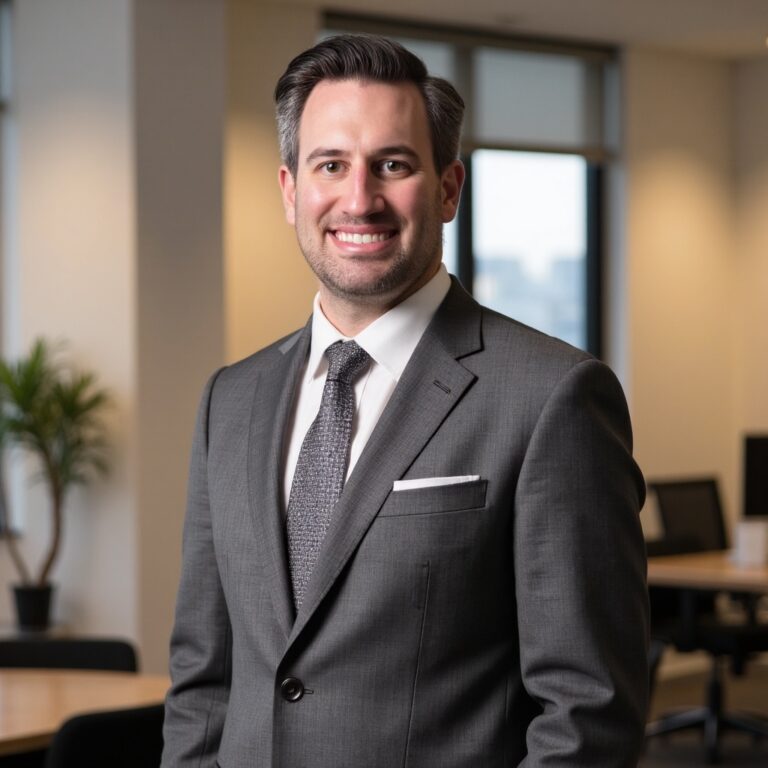
Michael Giuliano, President of Planetree International
Dr. Roger Seheult is an Associate Clinical Professor at the University of California, Riverside School of Medicine. He is also an Assistant Clinical Professor at the School of Medicine and Allied Health at Loma Linda University. He is quadruple board-certified in Internal Medicine, Pulmonary Diseases, Critical Care Medicine, and Sleep Medicine through the American Board of Internal Medicine. His current practice is in Beaumont, California. He is a critical care physician, pulmonologist, and sleep physician at Optum California.
Dr. Seheult lectures routinely across the country at conferences and for medical, PA, and RT societies. He is the director of a sleep lab and the Medical Director for the Crafton Hills College Respiratory Care Program. He is co-founder and presenter for MedCram.com, a site that offers concise and easy-to-follow medical videos on a range of topics.
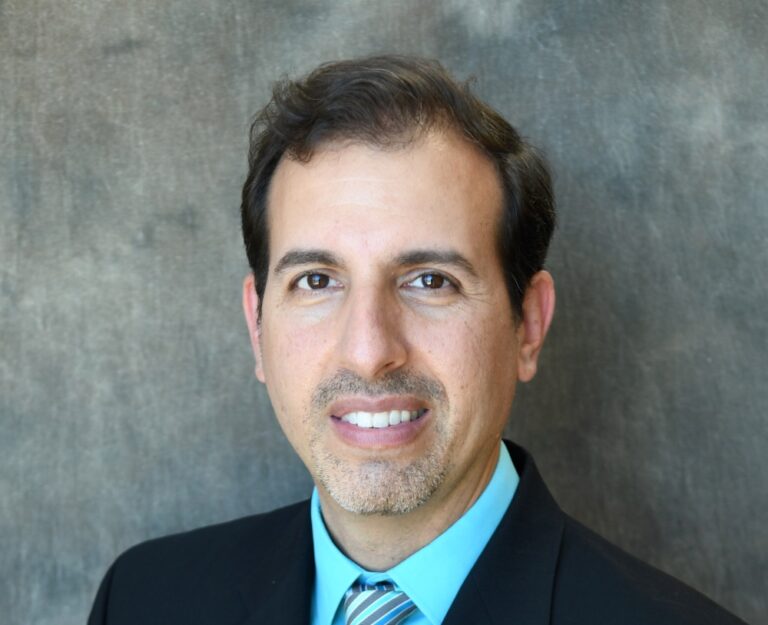
Roger Seheult, MD, MedCram, Loma Linda, UC-Riverside