

 503 Pinks and Blues: Beyond Industrial Water Week 2026
Scaling UP! H2O
Industrial Water Week 2026 has ended, and Trace Blackmore, CWT, challenges listeners to carry its focus on learning and mentorship into the rest of the year. This Pinks and Blues episode combines reflections on IWW26 and the AWT convention with listener questions about AI and professional development. Give continued learning a place on your calendar Trace proposes a specific challenge: choose one of Industrial Water Week’s five focus areas and schedule 30 minutes to improve your understanding. Those areas are pretreatment, boilers, cooling, wastewater, and careers. ...
info_outline 502 Industrial Water Week 2026: Careers Friday
Scaling UP! H2O
Experienced water treaters carry knowledge that the next generation needs. For Careers Friday, Trace Blackmore, CWT asks them to pass it on. The Industrial Water Week 2026 finale connects industrial water treatment careers with mentorship, practical training, and curiosity. Pass on the reasoning behind the work Trace describes a mentor as someone you can call when a system presents a problem you cannot explain. Learning from another professional’s challenges, mistakes, and experience helped him solve problems and later mentor others. He also addresses professionals preparing to retire....
info_outline 501 Industrial Water Week 2026: Wastewater Thursday
Scaling UP! H2O
A wastewater inspection appeared to expose a failed treatment program—until Trace checked where the sample had been collected. For Industrial Water Week 2026: Wastewater Thursday, Trace Blackmore, CWT, connects correct sampling, water reuse, and careful troubleshooting with the decisions water treaters make every day. Check the sample location before drawing conclusions In an early-career account, a plant operator faced a threatened shutdown after an inspector’s sample produced out-of-spec results. Trace reviewed logs, spoke with the engineer, and tested two locations. The...
info_outline 500 Industrial Water Week 2026: Cooling Wednesday
Scaling UP! H2O
Cooling Wednesday brings a practical reminder: correcting a treatment problem requires understanding what caused it. For Industrial Water Week 2026, Trace Blackmore, CWT, celebrates Episode 500 with lessons on cooling tower foam, biocide feed verification, Legionella risk, and unexplained chilled water loss. Start with the feed history When a cooling tower produces enough foam to spread across the property and trigger low water shutdowns, Trace begins with the biocide feed logs. He compares the chemical remaining in the tank with calculated consumption and finds evidence of...
info_outline 499 Industrial Water Week 2026: Boiler Tuesday
Scaling UP! H2O
Boiler Tuesday is a reminder that industrial water treatment exists to protect heat transfer efficiency. For day two of Industrial Water Week 2026, Trace Blackmore, CWT, connects feedwater preparation, condensate quality, and treatment distribution to the everyday decisions that keep steam systems working. Feedwater quality sets the stage Trace starts with a practical measure of boiler performance: how much heat from the flame reaches the steam? Feedwater conditions directly affect that work. He links inadequate feedwater heating with higher chemical demand,...
info_outline 498 Industrial Water Week 2026: Pretreatment Monday
Scaling UP! H2O
is here—and Day 1 is Pretreatment Monday. In Episode 498, Trace Blackmore, CWT, opens the 2026 celebration with troubleshooting stories, returning guest greetings, and a new Detective H2O case that brings pretreatment performance into focus. Celebrate with purpose Take a photo with your favorite pretreatment equipment—a softener, RO, or filter housing—and post it with #IWW26. Then search the hashtag to connect with others doing the same work. Trace’s invitation makes the week visible and recognizes the people who keep downstream systems operating. Start with the pretreatment train At...
info_outline 497 Pinks & Blues: From Sample to Solution
Scaling UP! H2O
A controller and a handheld meter give you different readings. Before you adjust blowdown or chemical feed, how do you determine which result deserves your confidence? Reliable water treatment testing starts with understanding the sample, the system, and the equipment behind the number. In Episode 497, “Pinks and Blues: From Sample to Solution,” Trace Blackmore, CWT, answers listener questions that build on Episodes 397 and 408. He connects testing with repeatable procedures so technicians can interpret results, make informed adjustments, and explain their decisions to...
info_outline 496 Growing Through Change in Water Treatment with Mark Lewis, Part 2
Scaling UP! H2O
When a water treater can run a test but cannot yet diagnose a failing system, the next training decision matters. In Growing Through Change with Mark Lewis, Part 2, Mark Lewis of CRB Water joins Trace Blackmore, CWT, to connect training choices with work in the field. Match Training to Experience Mark sees the space between AWT’s March and November training sessions as a chance to revise material instead of repeating the same presentation. He explains how Fundamentals and Applications, Program Designs and Operations, and Technical Training serve different levels of readiness....
info_outline 495 Growing Through Change in Water Treatment with Mark Lewis, Part 1
Scaling UP! H2O
Change is unavoidable, but uncertainty does not have to control how water treatment professionals respond to it. Mark Lewis returns to share what he learned when Southeastern Laboratories was acquired by CRB Water—and how employees can remain valuable, informed, and open to opportunity during a business transition. Navigating an Acquisition from the Employee’s Perspective Southeastern Laboratories began exploring a buyer because its owners wanted to protect the company and approximately 30 employees. When CRB Water entered the picture, employees naturally wondered what...
info_outline 494 Preparing for AWT 2026: Leadership, Change, and CWT Growth with Matt Coffindaffer, Part 2
Scaling UP! H2O
A strong convention outcome starts before the first session and continues long after the exhibit hall closes. Association of Water Technologies Executive Director Matt Coffindaffer explains how deliberate preparation, wider professional relationships, and volunteer service can turn AWT 2026 into practical value for an industrial water treatment career or business. Find the Right Place to Volunteer AWT offers yearlong committee service, shorter task-force assignments, and opportunities across technical research, marketing, membership, regulatory affairs, business resources, young...
info_outline
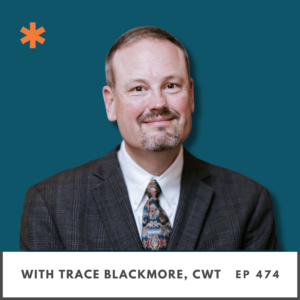 Every career in industrial water treatment is shaped by decisions, mentors, credentials, systems, and the willingness to keep learning. In this special mailbag-style episode, Trace Blackmore, CWT, answers questions from the Scaling UP! Nation about how he entered water treatment, why he started the podcast, what professional credentials have meant to him, and what he is still working to improve.
This conversation gives water professionals a practical look at the habits behind a long career in the industry: getting involved early, documenting customer conversations, building strong teams, using repeatable processes, and staying open to new tools like AI.
From Family Influence to a Career in Water Treatment
Trace shares that his start in water treatment came through his father, who brought him along to accounts after school. His early memories include watching test results change color, learning around hospital accounts, and seeing how water treatment decisions were made in the field.
Before entering water treatment full-time, Trace worked in financial services and received strong sales training. However, he realized he was not enjoying the work. His father invited him to become a service technician, which led to a career path that combined technical problem-solving, customer service, sales, and a deep appreciation for the industrial water community.
Why Credentials, Associations, and Documentation Matter
Trace explains why the Certified Water Technologist credential remains one of the professional accomplishments he values most. He also discusses his LEED GA and LEED AP credentials, his time as a former president of the Association of Water Technologies, and his training as a master facilitator.
For professionals building their own careers, the larger lesson is clear: credentials, online presence, and association involvement can shape how customers and peers understand your expertise. Trace also emphasizes the importance of documenting conversations, decisions, and recommendations so teams and customers have a clear record when issues arise.
The Podcast, Rising Tide Mastermind, and Raising the Industry Bar
Trace reflects on launching the Scaling UP! H2O Podcast in 2017 after encouragement from Charlie Cicchetti and Conor Parrish. What began as a monthly podcast eventually became a weekly resource with structured processes, procedures, and a growing audience of water professionals.
He also discusses the honor of having Scaling UP! H2O recognized as the official podcast of the Association of Water Technologies, as well as the creation of Rising Tide Mastermind, which now includes 76 members across 7 groups. Both platforms reflect the same goal: creating spaces where industrial water professionals can learn, connect, and improve together.
Technology, AI, and the Next Phase of Learning
When asked about the biggest change in the industry, Trace points to data collection, remote monitoring, the Internet of Things, and AI. He remembers a time when system information required an on-site visit. Today, water professionals can review controller data, reports, and trends before arriving in the field.
Trace also shares how his Doctor of Business Administration program is changing the way he thinks about research, learning, and long-term growth. His 2026 goals include continuing that academic work, strengthening the podcast’s educational value, and giving family and personal commitments proper space on the calendar.
This episode is not only a personal reflection. It is a reminder that long-term success in water treatment depends on learning, relationships, systems, and the willingness to keep improving.
Listen to the full conversation above. Explore related episodes below. Stay engaged, keep learning, and continue scaling up your knowledge!
Timestamps
02:35 — Trace opens the episode with a May update and connects the season to a practical cooling tower challenge: pollen in Southern systems.
04:30 — Trace explains why this episode is different: Scaling UP! Nation asked for more personal stories and career reflections from him.
06:50 — Trace highlights the 6th Annual Oilfield Water Markets Conference and shares the Scaling UP! H2O listener discount code.
08:00 — Trace mentions the International Water Association Leading Edge Conference on Water and Wastewater Technologies in Houston.
08:50 — Trace points healthcare-focused water professionals toward ASHE’s Healthcare Facilities Innovation Conference in Minneapolis.
09:50 — James McDonald presents a new Words of Water definition focused on wet bulb temperature and cooling tower performance.
11:20 — Trace explains why receiving compliments used to be difficult and how mentorship helped him respond with more respect and gratitude.
13:50 — Trace answers how he got started in water treatment through his father, field visits, testing, and early exposure to accounts.
15:50 — Trace describes leaving financial services, joining his father’s company as a service technician, and finding work he genuinely enjoyed.
18:20 — Trace explains the credentials behind his name, beginning with the Certified Water Technologist designation.
20:25 — Trace discusses LEED GA and LEED AP credentials and how they helped him communicate with commercial building owners.
23:00 — Trace shares why his AWT leadership experience and master facilitator training matter to his professional identity.
24:55 — Trace explains how Charlie Cicchetti introduced him to podcasts and encouraged him to start what became Scaling UP! H2O.
27:30 — Trace describes the podcast’s early cadence, moving from monthly to biweekly and then weekly episodes.
32:30 — Trace identifies AWT naming Scaling UP! H2O its official podcast as a crowning moment for the show.
33:45 — Trace shares personal and professional achievements, including adopting his son, building the podcast, and launching Rising Tide Mastermind.
35:30 — Trace explains how he balances podcasting, business, and other responsibilities through team support, time blocking, procedures, and the 12 Week Year.
41:05 — Trace shares advice to his younger self: join an association early, get involved, document everything, and build relationships in the industry.
44:40 — Trace identifies data, remote monitoring, IoT, AI, Legionella, PFAS, and water management plans as major changes in the industry.
48:10 — Trace shares scuba diving as his favorite non-water-treatment hobby and reflects on teaching more than 1,000 people to dive.
50:00 — Trace explains how pursuing a Doctor of Business Administration is teaching him research, academic discipline, and new ways to learn.
54:05 — Trace shares his 2026 goals, including progressing through his DBA program, expanding podcast resources, and prioritizing family on his calendar
Connect with Scaling UP! H2O
Submit a show idea: Submit a Show Idea
LinkedIn: in/traceblackmore/
YouTube: @ScalingUpH2O
Scaling UP! H2O Resources Mentioned
Scaling UP! H2O Academy video courses
420 Tapping Into Tech: How Ben Frieders Uses AI to Elevate Water Treatment Marketing
Words of Water with James McDonald
Today's definition is the lowest temperature that can be achieved through evaporation alone and is used to evaluate cooling tower performance. Do you know the word or phrase?
2026 Events for Water Professionals
Check out our Scaling UP! H2O Events Calendar where we’ve listed every event Water Treaters should be aware of by clicking HERE.


